.

FOOD BUSINESS NEWS:

Discussions about the food industry, restaurants, and licensed food brand extensions

A World Leader

A World Leader
One of the World's Top 20 Licensing Agents
Showing posts with label Health. Show all posts

Wednesday, March 31, 2010

Watch Out for-- Pallets??


While not normally a topic that gets the blood racing, a real fight has broken out between the wood and plastic pallet industries on which method of shipping food is safer.

In a nutshell, a plastic pallet manufacturer is asking the US Food and Drug Administration (FDA) to launch a probe into allegations wood pallets pose a risk to the food supply. The National Wooden Pallet and Container Association (NWPCA) claims to welcome the probe, saying it has studies done in Europe that exonerate wooden pallets from such charges. Over 1bn wood pallets are currently in use in the U.S. Among charges against the wooden variety are that:

1.) they allow the breeding and spread of diseases such as Listeria, E. coli and salmonella, and
2.) formaldehyde (used to prevent pest infestations like the tree-killing Asian longhorn beetle) is a known carcinogen that could leak onto any food coming in contact with the wood, or
3.) that said formaldehyde might be released in gaseous form during storage in areas where food is also present.

NWPCA has countered saying plastic pallets are composed of a honeycomb-like structure that can act as a breeding ground for diseases, and that the deca-bromine chemical fire retardant used in plastic pallets should be studied. Several U.S. states have had passed laws banning deca in household products as a potential health hazard. Industry analysts say the plastic pallet company is caught between its dependence on deca-bromine and its risk factors with consumers.
Aren't you glad you're a regular reader?

This blog includes excerpts from a weekly round-up of food industry & food licensing news provided free to Broad Street Licensing Group's clients, and as a paid subscription service (6 months $695; 1 year $1,125).

Too busy to keep up with the news wires & publications about the food business? If you or your company would like to subscribe to our news service, call Danielle Foley at Broad Street Licensing Group (tel. 973-655-0598) and ask for your free sample or click on our website.

Friday, March 12, 2010

Fast Food Nation


Everyone knows intuitively that fast food can be harmful.

But we can't agree usually on what constitutes fast food, and what to do about it.

Government action is probably coming in Europe, where regulation is more pervasive (and accepted) than in the U.S.

But it may come to that. The evidence is certainly mounting.

This article shows how fast food restaurant distribution and obesity are connected, as well as the consumption of no-nos like sweetended sodas.


Nowhere in the equation is there any discussion of personal responsability. If I'm fat, it's because I'm "big-boned" or "the fast food restaurants made me do it." I recently lost 25 pounds on the "push away diet." What is the "push away" diet all about?

Pushing away from the table.

The article shows as well that those parts of the country that eat more healthy things and exercise more are less-obese.

Duh.

This blog includes excerpts from a weekly round-up of food industry & food licensing news provided free to Broad Street Licensing Group's clients, and as a paid subscription service (6 months $695; 1 year $1,125).

Too busy to keep up with the news wires & publications about the food business? If you or your company would like to subscribe to our news service, call Danielle Foley at Broad Street Licensing Group (tel. 973-655-0598) and ask for your free sample or click on our website.

Thursday, March 11, 2010

Food Allergies


Despite concerns about food allergies, health professionals are worried foods are being targeted for ailments they did not cause, and frequently blamed for crimes they did not commit.

One-quarter to one-third of Americans believe they or their children have a food allergy, though diagnosed rates are one-fifth that total. Studies show 6%-8% of children under 3 are allergic to at least one food, but that once they grow up, that number falls to 3%-4%. Approximately 12MM people in the U.S. have such allergies, with the U.K. the leader in Europe.

The usual suspects— milk, eggs, peanuts, wheat, soy, fish, shellfish and tree nuts— make up 90% of food allergies. The most-common non-food allergies are from pollen, penicillin, and bee stings, but whether food or non-food, the reaction is the same because of the antibody IgE (Immunoglobulin E) which is supposed to fight foreign substances entering the body. IgE causes histamines to be released, which (along with other chemicals intended to protect us) can cause symptoms ranging from itchy eyes and mouth all the way to hives, wheezing, a swollen tongue, rashes, nausea and diarrhea. In the worst instances, anaphylaxis sets in, shutting off the airway and leading to a calamitous drop in blood pressure.

Even with physicians questioning the extent of real food allergies, the reactions blamed on them have been increasing. Informal estimates show peanut allergies have doubled in the last decade, and celiac disease (an allergy to wheat gluten) is now 4x more prevalent than 50 years ago. Fortunately, a blood test and an intestinal biopsy can settle the matter. One problem for diagnosing food allergies is the tests are inaccurate. The best test is also the most-dangerous: called a “food challenge,” it has the patient ingest controlled amounts of the suspected offending food in greater and greater amounts.

The fall-back method is blood testing, often leading to misdiagnosis: one recent study showed up to 90% of the suspected allergies in a group of 125 4 year-olds were negative when food challenges and not blood tests were used. An older 1987 study following 500 kids up to their 3rd birthday found only 8% had real allergies, despite 28% of parents thinking their kids did. Some who think they have an allergy may simply be sensitive to certain foods. Lactose intolerance, caused by too little of the enzyme the body employs to digest milk proteins, affects 50MM Americans. Simply avoiding dairy or eating dairy products with the enzyme lactase solve the problem.

Even wheat gluten is a challenge for most stomachs, so the occasional upset may trigger the belief one has celiac disease. Avoiding gluten, food dyes or MSG isn’t harmful; giving up whole food groups over a self-diagnosis spawned by feelings of discomfort can be, especially when it leads to parents blocking certain foods from their children. And even avoiding gluten is challenging, since it’s in processed meats, medications, and even used to dust frozen vegetables to prevent freezer burn.

This blog includes excerpts from a weekly round-up of food industry & food licensing news provided free to Broad Street Licensing Group's clients, and as a paid subscription service (6 months $695; 1 year $1,125).

Too busy to keep up with the news wires & publications about the food business? If you or your company would like to subscribe to our news service, call Danielle Foley at Broad Street Licensing Group (tel. 973-655-0598) and ask for your free sample or click on our website.

Tuesday, March 9, 2010

Carbohydrates & Breast Cancer


Researchers in Sweden analyzing data on 61,433 women who completed “food frequency” questionnaires in the late 1980s have found a link between the amount and kind of carbohydrates women eat and breast cancer.

Different carbs produce a different “glycemic load” with correspondingly varying effects on blood sugar. For example, both white bread and potatoes have a high glycemic index, causing a rapid surge in blood sugar when digested. High-fiber cereals or beans create a more gradual change and are considered to have a low glycemic index. High glycemic loads were linked to an elevated risk for estrogen receptor (ER)-positive/progesterone receptor (PR)-negative breast cancers, with those subjects having the highest “glycemic index diet” seeing a 44% increased risk compared to women with the lowest glycemic index diet. Women with the highest “glycemic load” in their systems had an 81% increased risk. Researchers speculate high-glycemic load diets cause a surge of insulin and sex hormones in the body, contributing to the development and spread of breast cancer cells.

This blog includes excerpts from a weekly round-up of food industry & food licensing news provided free to Broad Street Licensing Group's clients, and as a paid subscription service (6 months $695; 1 year $1,125).

Too busy to keep up with the news wires & publications about the food business? If you or your company would like to subscribe to our news service, call Danielle Foley at Broad Street Licensing Group (tel. 973-655-0598) and ask for your free sample or click on our website.

Tuesday, February 16, 2010

Food Allergies Not as Bad as Thought


Despite concerns about food allergies, health professionals are concerned that foods are being targeted for ailments they did not cause, and frequently are blamed for crimes they did not commit.

One-quarter to one-third of Americans believe they or their children have a food allergy, though diagnosed rates are one fifth that total. Studies show 6%-8% of children under 3 are allergic to at least one food, but that once they grow up, that number falls to 3%-4%. Approximately 12MM people in the U.S. have such allergies, with the U.K. the leader in Europe.

The usual suspects— milk, eggs, peanuts, wheat, soy, fish, shellfish and tree nuts— make up 90% of food allergies. The most-common non-food allergies are from pollen, penicillin, and bee stings, but whether food or non-food, the reaction is the same because of the antibody IgE (Immunoglobulin E) which is supposed to fight foreign substances entering the body. IgE causes histamines to be released, which (along with other chemicals intended to protect us) can cause symptoms ranging from itchy eyes and mouth all the way to hives, wheezing, a swollen tongue, rashes, nausea and diarrhea. In the worst instances, anaphylaxis sets in, shutting off the airway and leading to a calamitous drop in blood pressure.

Even with physicians questioning the extent of real food allergies, the reactions blamed on them have been increasing. Informal estimates show peanut allergies have doubled in the last decade, and celiac disease (an allergy to wheat gluten) is now 4x more prevalent than 50 years ago. Fortunately, a blood test and an intestinal biopsy can settle the matter. One problem for diagnosing food allergies is the tests are inaccurate.

The best test is also the most-dangerous: called a “food challenge,” it has the patient ingest controlled amounts of the suspected offending food in greater and greater amounts. The fall-back method is blood testing, often leading to misdiagnosis: one recent study showed up to 90% of the suspected allergies in a group of 125 4 year-olds were negative when food challenges and not blood tests were used. An older 1987 study following 500 kids up to their 3rd birthday found only 8% had real allergies, despite 28% of parents thinking their kids did.

Some who think they have an allergy may simply be sensitive to certain foods. Lactose intolerance, caused by too little of the enzyme the body employs to digest milk proteins, affects 50MM Americans. Simply avoiding dairy or eating dairy products with the enzyme lactase solve the problem. Even wheat gluten is a challenge for most stomachs, so the occasional upset may trigger the belief one has celiac disease. Avoiding gluten, food dyes or MSG isn’t harmful; giving up whole food groups over a self-diagnosis spawned by feelings of discomfort can be, especially when it leads to parents blocking certain foods from their children. And even avoiding gluten is challenging, since it’s in processed meats, medications, and even used to dust frozen vegetables to prevent freezer burn.

This blog includes excerpts from a weekly round-up of food industry & food licensing news provided free to Broad Street Licensing Group's clients, and as a paid subscription service (6 months $695; 1 year $1,125).

Too busy to keep up with the news wires & publications about the food business? If you or your company would like to subscribe to our news service, call Danielle Foley at Broad Street Licensing Group (tel. 973-655-0598) and ask for your free sample or click on our website.

Monday, February 8, 2010

Health News


• The Atkins and other low-carb diets have taken a major hit from a recent research paper published in the July issue of the Journal of the American Dietetic Association: a study of nearly 4,500 otherwise healthy Canadians showed that you’re less likely to be obese if you eat foods low in carbohydrates. The lowest risk of being overweight or obese was among adults who obtained 47%-64% of their energy from carbohydrates. Overweight and obesity prevalence was 65% in the lowest quartile of carbohydrate intake. Those with the highest carbohydrate intake had lower intakes of total calories, protein and fats, but more fiber than those in the lowest carbohydrate intake category.

• The CDC (Centers for Disease Control) says that blacks have a 51% greater prevalence of obesity and Hispanics a 21% greater prevalence compared with whites. Geography is also a marker with blacks and whites in the South or Midwest having a greater chance of being obese, while Hispanics in the South, Midwest and West had higher rates.

• Research has indicated older women who are obese and have Type 2 diabetes could decrease their body mass index or add muscle mass by taking safflower oil or conjugated linoleic acid supplements.

• Scientists study cataracts in rat eye lenses think they may have found a dietary supplement to prevent or even treat the condition: carnosine.

• Manufacturers of baby foods, increasingly aware of food allergies to wheat products, have doubled the number of new products made with rice instead of wheat over the 130 introduced in 2007.

• A team of Glasgow University researchers identified a molecule which amplifies allergic reactions, along with a biological agent which may reduce the symptoms leading to a reduction in the number of fatal anaphylactic shock cases. Anaphylaxis, which can lead to cardiac arrest and death, is caused by foods such as peanuts, tree nuts, sesame, fish, shellfish, dairy products and eggs. Non-food causes include wasp or bee stings, rubber, penicillin and some drugs or shots.
GEEK ALERT! The following is technical for information junkies!

According to Dr. Alirio Melendez and Prof. Eddy Liew, the team leaders, the immune system hormone cytokine IL-33 plays a key role in the onset of anaphylaxis. Removing the IL-33 molecule will reduce the severity of the reaction. Anaphylactic shock induces a severe inflammatory reaction which often constricts breathing; the IL-33 molecule amplifies that inflammatory reaction. Patients with high levels of IL-33 tend to have more severe reactions. While children often outgrow allergies to milk, eggs, soy and wheat, those for peanuts, tree nuts, shellfish and fish often persist into adulthood. Interestingly, the UK population has the highest prevalence of these allergies in Europe and ranks among the highest in the world. The findings were published in the Proceedings of the National Association of Sciences of the USA (PNAS) journal.

This blog includes excerpts from a weekly round-up of food industry & food licensing news provided free to Broad Street Licensing Group's clients, and as a paid subscription service (6 months $695; 1 year $1,125).

Too busy to keep up with the news wires & publications about the food business? If you or your company would like to subscribe to our news service, call Danielle Foley at Broad Street Licensing Group (tel. 973-655-0598) and ask for your free sample or click on our website.

Thursday, January 14, 2010

Health News


• A new study says that caffeine may interact with estrogen in women, possibly resulting in more cancer. Several studies have found connections between caffeine and breast and ovarian cancers, though the findings have not always been consistent. There is no verdict on whether the caffeine is a direct risk or influences other body processes, though estrogen and other sex hormones definitely play a role in both cancers. The study published in the journal Cancer found that as caffeine increased in premenopausal women (in coffee and other products), levels of estradiol, a form of estrogen, declined proportionally during the second half of the menstrual cycle. Higher caffeine also kicked up levels of progesterone. Among postmenopausal women, greater coffee and caffeine intake only yielded a link to higher levels of sex hormone-binding globulin (SHBG) which decreases the activity of estradiol and testosterone. The result in those cases was a lower risk of breast cancer. In theory, lower estrogen levels in premenopausal women should protect women against ovarian cancer, so the spike in that disease among premenopausal women puzzles researchers.

• Ocean Spray has been granted a patent for using cranberry seed oil for “treating” or “preventing” cancer other diseases almost six years after the application was submitted by inventor Wassef Nawar.

• Data from 14,960 people in seven countries indicates eating more fish, especially the oily kind, may reduce the risk of dementia by about 20% (source: the American Journal of Clinical Nutrition).

• A study by the University of Bristol in the UK suggest that campylobacter and salmonella may become more virulent in chickens during transporting due to the secretion of a stress hormone. Noradrenalin is released during times of stress, and increases iron in the chicken’s system which in turn stimulates the growth and spread of both campylobacter and salmonella. Previous data has found that bacteria which cause food poisoning can increase tenfold in the guts of chickens after being sent to slaughterhouses and feed lots.

This blog includes excerpts from a weekly round-up of food industry & food licensing news provided free to Broad Street Licensing Group's clients, and as a paid subscription service (6 months $695; 1 year $1,125).

Too busy to keep up with the news wires & publications about the food business? If you or your company would like to subscribe to our news service, call Danielle Foley at Broad Street Licensing Group (tel. 973-655-0598) and ask for your free sample or click on our website.

Tuesday, January 12, 2010

American-Style Health Concerns Spread to Asia


Obesity rates are soaring in the US, but Asians are catching up.

With affluence usually comes a sedentary lifestyle, and with it the usual health problems associated with obesity, including heart disease and diabetes. A third of the residents in Asia and the Western Pacific were overweight in 2005, numbers expected to rise to over 50% among men and 45% among women by 2015 according to the World Health Organization. Up to 23% of the population is overweight and WHO predicts by 2030 diabetes cases will double to 42MM. India is the world diabetes capital with 40MM, a total that will likely double by 2025. As a result, the health foods market will grow from its current $200MM to over $1bn by 2012. Obese people make up ¼ of the populace in some Indian cities.

As a result, oats, yoghurt and vitamins are all catching-on with a new generation of Asian consumers. While the Chinese diet, for example, is relatively healthy with plenty of vegetables, smoking is widespread, and fast food chains have expanded, bringing with them ice cream and chocolates not native to the local scene. Health foods currently make up 5% of food products sold in Asia, far below the rest of the world, but flaxseed, wheat germ and soy-based products are part of a $20bn market. Besides health foods, supplements (including vitamins and protein mixes) totaled $14bn in Asia in 2006 (not including Japan).

Asian health food products are often quite different than mainstream ones in the West, including root powders (ginseng), herbal teas and variations of chicken soup, a staple of Chinese herbal medicine. Cerebos Pacific, maker of bottled Essence of Chicken, had a 33% growth in profits over the last four years. Another growth area is healthy beverages. Coca-Cola has launched a new bottled spring water in Japan and grew the product line in Hong Kong with preserved almond, jujube and pear flavors. PepsiCo has brought its SoBe line to Asia, and is selling fortified teas, fruit drinks and energy drinks in India. Nestle has introduced its probiotic yogurts, and Tata Tea (India’s leading tea and coffee company, and purchasers of A&P’s Eight O’Clock Coffee brand), now has a line of cold drinks with tea, fruit and ginseng.

Ingredient makers are doing well there, too. American ginseng has long been prized by Chinese consumers, and the Almond Board of California has seen sales grow 24% in the past four years (to $485MM) by stressing the anti-oxidants and protein contained in its nuts.

This blog includes excerpts from a weekly round-up of food industry & food licensing news provided free to Broad Street Licensing Group's clients, and as a paid subscription service (6 months $695; 1 year $1,125).

Too busy to keep up with the news wires & publications about the food business? If you or your company would like to subscribe to our news service, call Danielle Foley at Broad Street Licensing Group (tel. 973-655-0598) and ask for your free sample or click on our website.

Monday, December 28, 2009

Health Concerns


In keeping with the holiday....

Part One:

The “buzz” continues to buffet meat and the food industry’s role in an epidemic of obesity. F as in Fat: How Obesity Policies are Failing in America 2009 a report issued by the Trust for America’s Health, says adult obesity rates increased in 23 states in 2008, down from 37 states the previous year, but still alarming to most health professionals. With the emphasis in national government on containing costs, the realization that fat people wouldn’t die earlier (and thereby save the health care system money) but will live as long, but be sicker and require more intervention, is now sinking in.

The report cited 16 states with an increase in obesity rates for the 2nd straight year, while 11 states increased for a third year in a row. No states decreased. The rate of adult obesity now tops 25% in 31 states, up from 28 states in 2008. The obesity rate exceeds 20% in 49 states. As recently as 1991, no states had obesity rates of more than 20%, and in 1980, the national average of obese adults was 15%. The full report is available here.

Part Two:

At the same time as pressure is being applied on the obesity front, the World Wildlife Fund (WWF) is urging meats carry warning labels advising consumers to eat meat no more than 3x per week, and dairy no more than 3x per day. Meat production is already under fire for contributing to the rise in greenhouse gases, whether from cow manure and belching (aggravated by feedlots where beef are fed corn, not part of their natural diet), producing the fertilizer from fossil fuels to grow feed for cows & pigs, or transporting the meat products to market.

Now the WWF is suggesting “Meat Free Mondays” with a pr push backed by Sir Paul McCartney in the UK. The organization claims UK consumers eat 70% more meat than they should and ingest 40% more dairy products. In addition to scaling back on meat, WWF is encouraging shoppers to consider meat substitutes like soy and rice, and is asking manufacturers to use less meat in processed foods and ready meals. The British Meat Processors Association has tried to soften the blow, pointing out the “complexity” of the food production/consumption footprint, and that eating meat has positive social, nutritional and economic benefits.

Dairy UK has taken a tougher stance condemning the WWF’s effort to “remove one of the nation’s most popular foods from the shelves.” The campaign against meat continues elsewhere in the EU: the Belgian city of Ghent is promoting a meatless day once a week, and Sweden’s government is seeking comment on proposed regulations that would look at the health and environmental impact of meat consumption. The new guidelines would alert citizens they currently average 65kg of meat per year, 10kg more than 10 years ago, and much more than nutrition requires.

This blog includes excerpts from a weekly round-up of food industry & food licensing news provided free to Broad Street Licensing Group's clients, and as a paid subscription service (6 months $695; 1 year $1,125).

Too busy to keep up with the news wires & publications about the food business? If you or your company would like to subscribe to our news service, call Danielle Foley at Broad Street Licensing Group (tel. 973-655-0598) and ask for your free sample or click on our website.

Thursday, December 17, 2009

Health News


• The Greeks know, it’s their diet: a study by the University of Athens Medical School indicates not all components of the so-called “Mediterranean diet” lead to living a long life. A diet with large amounts of veggies, fruits, nuts, legumes and olive oil with only moderate drinking and little meat works. Lots of fish or seafood and little dairy has no benefits for living longer according to the study. After examining the diets of 23K Greeks for almost 10 years, the longevity benefits for the Mediterranean diet were lost if heavy vegetable consumption, light meat intake or moderate drinking were removed from the results matrix. Combinations of several components, especially abundant vegetables and olive oil showed positive health benefits. Several studies have advanced the health benefits of the Mediterranean diet, but this is the first to analyze its various components.

• An increasing number of companies have concluded it’s cheaper to pay their employees to get and stay healthy instead of paying for the health care costs once they get sick. With estimates showing more than 40% of premature deaths in the U.S. due to unhealthy behaviors like smoking, obesity or improperly taking prescription drugs, companies are looking to incentivize their workers to give up bad habits, get in shape or otherwise take charge of their health. Statistics indicate 20% of Americans continue to smoke and over 70% are overweight or obese. General Electric was able to induce nearly 10% of its workers who smoked to quit by offering them a $750 incentive if they remained clean for 18 months. Only 3.6% of smokers quit without the bonus. Similar programs for weight loss and taking prescriptions daily were successful with rewards as little as $3/day.

• It has long been known that taking antibiotics can upset beneficial bacteria in the body. A new study shows gut flora may be disrupted for weeks after stopping medication according to a report in the June 2009 issue of Infection and Immunity.

• For the third straight year, Massachusetts leads the U.S. in use of electronically routed prescriptions. The Obama administration is pushing e-prescriptions as a means for reducing mistakes and cutting the escalating cost of health care.

This blog includes excerpts from a weekly round-up of food industry & food licensing news provided free to Broad Street Licensing Group's clients, and as a paid subscription service (6 months $695; 1 year $1,125).

Too busy to keep up with the news wires & publications about the food business? If you or your company would like to subscribe to our news service, call Danielle Foley at Broad Street Licensing Group (tel. 973-655-0598) and ask for your free sample or click on our website.

Monday, December 14, 2009

I Want To Eat Healthier— I SWEAR— No, Really, I Do!!


Americans insist they want to eat healthier. The problem is they may be telling the food industry and reporters what they should be saying, not what they really feel.

A new study by Mintel International shows only 20% of those surveyed said health was an important factor in ordering at a restaurant. Much more important are taste and hunger satisfaction (77% and 44% respectively). In a classic case of “do what I say, not what I do,” ¾ of respondents claimed they’d like to see healthier choices on menus, but only half usually order them.

One factor might be cost, since restaurant offerings in the healthy category usually price out higher than less-healthy options. Over 50% of those in the survey complained about the higher cost of healthy menu choices as well as the paucity of them, with less-healthy options far outnumbering the “good” alternatives. Whether it’s the chicken or the egg that comes first, restaurants are lagging with “good for you” additions to their menus; only 5% of those introduced in the first quarter of 2009 have any nutrition claim. In contrast, 20% of new menu items are fried.

The government’s efforts to pressure restaurants into nutrition labeling is mirrored in the survey respondents with 75% desiring greater nutritional information and transparency. These conclusions were supported by a separate survey commissioned by Hormel which said the economy has forced shoppers to cut back on healthy or all-natural.

This blog includes excerpts from a weekly round-up of food industry & food licensing news provided free to Broad Street Licensing Group's clients, and as a paid subscription service (6 months $695; 1 year $1,125).

Too busy to keep up with the news wires & publications about the food business? If you or your company would like to subscribe to our news service, call Danielle Foley at Broad Street Licensing Group (tel. 973-655-0598) and ask for your free sample or click on our website.

Thursday, December 10, 2009

Health News


• Women concerned about bone density and who take powerful antacids like Prilosec, Nexium, Pepcid, Tagamet and Zantac should consult with their doctor following the release of a study showing a significant increased risk for hip & thigh fractures. So-called proton pump inhibitors and histamine-2 receptor antagonists reduce stomach acid, but doctors are also worried eliminating it will make patients more at-risk for food-borne pathogens. “Stomach acid is there for a reason,” said the study’s author, Dr. Douglas A. Corley, a gastroenterologist at San Francisco’s Kaiser Permanente Hospital. The pump inhibitors raised the risk of serious fracture 30% while the histamine-2 receptor antagonists increased risk 18%. The mechanism for the fracture increase may be the drugs’ inhibiting the absorption of calcium, which is 60% reduced by pump inhibitors according to other studies. Not surprisingly, the greater the dosage, the greater the risk, which also increased with age (the highest incidence of fractures occurred in participants over 80).

• A Chinese study of 73,223 women has shown promise that a diet rich in soy during the adolescent years might reduce the risk of breast cancer before the menopause by up to 40%. The findings were published in the American Journal of Clinical Nutrition, and showed the risk of pre-menopausal breast cancer in adults who ate the most soy or soy isoflavones was reduced by 56-59%. China has the world’s lowest occurrence and mortality rates from breast cancer, which hits over 1MM women annually throughout the world. Soy isoflavones are estrogen-like compounds found in soy-based foods and supplements marketed to fight the effects of menopause. Some research in mice, though, has shown isoflavones stimulating breast cancer cells, though population studies indicate women eating a diet rich in soy generally have lower rates of breast cancer.

• Previous studies have reported that, while the underlying mechanism is not known, it is hypothesised that the oestrogenic effects of soy isoflavones cause changes in breast tissue during childhood that may decrease sensitivity to carcinogens later in life. A similar protective effect has been found in studies of overweight girls, perhaps because fat tissue also secretes oestrogen. Replikins, a Boston biotech firm, claims its use of proprietary amino acid peptide-counting software enables it to produce an H1N1 “swine flu” vaccine in 1 week, 100x faster than conventional vaccine makers. The company says that because the vaccine is synthetic, it can be modified more quickly to counter changes by the virus. Even with this development, the Centers for Disease Control (CDC) insists it will be several months before a swine flu vaccine is available to the public.

• In other vaccine news, a salmonella vaccine may be coming. With the European Food Safety Authority and the European Centre for Disease Prevention and Control both listing the pathogen as the single biggest food-borne illness, the news that U.K. scientists have uncovered how the bacterium lives in its hosts has opened the possibility of developing a vaccine. Salmonella relies on glucose in the gut of its hosts, breaking down the sugar to create the energy needed to live and to reproduce. The researchers have created mutant variations of the bug that cannot bring glucose into the immune cells they infect, starving them and inhibiting their ability to replicate. These harmless variants could be used later as vehicles for introducing a vaccine (what scientists call a “vector”). Salmonella food poisoning hits up to 20MM people around the world annually, causing upwards of 200K to die. Additionally, it affect animals, which is how it often is spread to humans.

This blog includes excerpts from a weekly round-up of food industry & food licensing news provided free to Broad Street Licensing Group's clients, and as a paid subscription service (6 months $695; 1 year $1,125). Too busy to keep up with the news wires & publications about the food business? If you or your company would like to subscribe to our news service, call Danielle Foley at Broad Street Licensing Group (tel. 973-655-0598) and ask for your free sample or click on our website.

Monday, November 30, 2009

"Green" & Health News


• The fragile seafood ecosystem is generating action among food retailers. Readers and subscribers to Food Business Newsletter already know that Wegmans has joined the “Take Marlin off the Menu” movement designed to get retailers and shoppers to stop eating swordfish. Now Canadian retailer The Overwaitea Food Group (OFG) has become the first major retailer to support a policy of sustainable seafood. The company has 117 stores in Western Canada, and has promised to no longer sell yellowfin tuna, Chilean sea bass, and orange roughy among other threatened species. SeaChoice is providing consulting to grocers on implementing a sustainability protocol with backing from the David Suzuki Foundation, Sierra Club British Columbia, and the Canadian Parks and Wilderness Society. The retailer recognizes that some of the fish under pressure are inexpensive and replacements will likely cost more and drive off business, but believes “doing the right thing always pays off.”
• Another company pushing green and sustainability is Unilever through an online advertising campaign with National Geographic. Photos and video of its Lipton tea farms in Kenya are complimented by a Facebook fan page and Twitter alerts. Geographic has already partnered with Dow Chemical and Frito Lay, though the Society says it will not work with just any company. Lipton is looking for “rainforest certification” for its tea in an effort to borrow some of the magic that rainforest coffee has brought to companies like Starbucks. They currently purchase from approximately 500K farms, and plan on having all of them certified by 2015.

Meat gets a bad rap. But there is another school of thought (probably financed secretly by the meat industry) that says eating meat has health benefits. It contains many important nutrients, including compounds like taurine, L-carnitine, creatine, conjugated linoleic acid (CLA) and endogenous antioxidants, according to Dr. Yeonhwa Park at the Institute of Food Technologists (IFT), a non-profit scientific group. Dr. Park says meat contains other important nutrients like iron and zinc that are hard to find or lacking in the average diet, as well as vitamin B-12. The key may be adding probiotics, fiber or omega-3 fatty acids may help improve meat's functionality as a food. Breeding and changing meat types could reduce cholesterol levels, one of the drivers in the rise of grass-fed beef. The "tough" stringiness of free range beef and its much-higher price have both limited the appeal of the concept with retailers and consumers so far. Probiotics added to fermented meats like sausage could offset the health concerns about nitrosamines, though there's skepticism it could fully counter those potential ills. In addition, the probiotic strains chosen would have to be able to overcome the salts used in their preparation. Omega-3 enriched meats could help offset the pressure on wild salmon stocks and the environmental concerns about fish farms and allegations such farms are encouraging the growth of disease and parasites in the wild varieties.

• The importance of inflammation and other conditions that previously were seen as symptoms unrelated to mortality have been changing, and the latest focus is psoriasis: people who have it suffer a 78% higher incidence of heart disease, 70% higher risk for stroke and a 98% higher incidence of peripheral arterial disease. According to a researcher, “psoriasis imposes the same level of risk as high blood lipids and smoking.”

This blog includes excerpts from a weekly round-up of food industry & food licensing news provided free to Broad Street Licensing Group's clients, and as a paid subscription service (6 months $695; 1 year $1,125). Too busy to keep up with the news wires & publications about the food business? If you or your company would like to subscribe to our news service, call Danielle Foley at Broad Street Licensing Group (tel. 973-655-0598) and ask for your free sample or click on our website.

Friday, November 27, 2009

How Beneficial Are Functional Foods?

Today is Black Friday, traditionally the biggest retailing day of the year, and the start of the Christmas buying season.

Functional foods— food that contains added vitamins, minerals, anti-oxidants, etc.— are big business.
According to the research giant Packaged Facts, they already comprise a $30.7bn market with predictions of 40% growth during the next five years. Mintel’s Global New Products Database tracked 68% new products over the past two years that were fortified with omega-3 (over 1,550 items). The products included orange juice, cereal, bread and peanut butter.
But these so-called “Frankenfoods” are raising concerns among scientists and dieticians over their true effectiveness. After all, most doctors will tell you that vitamin and mineral supplements, despite their popularity, rarely deliver anything approaching the benefits derived from naturally-occurring ones that come from eating a balanced diet. There is also concern about the cost-benefit ratio in fortified foods: a two-tablespoon serving of Hearts and Minds Peanut Butter with Omega-3 and Olive Oil has 100 mg of the beneficial omega-3, while a 3.5 oz. portion of salmon or other oily fish has 1,500 mg. A single slice of Wonder Classic Calcium Fortified Enriched Bread has only 10% of the daily recommended value, whereas a cup of milk has 30%.
The concept of using foods to deliver health additives began in 1924 when iodine was added to salt in the state of Michigan to fight goiter. The experiment spread to the rest of the country, and led to other additives, including niacin thiamin, riboflavin and iron in 1943 for breads and grains, which stamped out pellagra, a disease that ravaged the brain and skin, but which is unknown now. In 1998, the U.S. Food and Drug Administration (FDA) required adding folic acid to enriched grains in breads and cereals hoping to fight neural-tube defects in the unborn. A 25% reduction in infants born with the condition has been credited to the move, though some researchers are concerned too much folic acid can be toxic.
One advantage of dispensing additives in food over taking supplements is many are fat-soluble, meaning the body digests them better taken with food. There is also the fact that ¾ of Americans don’t reach the U.S. recommended daily allowance for vitamins and nutrients. Including them in food insures they are ingested, though processing destroys nutrients, so eating food in an unprocessed form is preferable. Protein-fortified pasta, for example, contains as much protein as meat, though they have higher simple carbohydrates, which contribute to obesity.
Additives may provide “cover,” too, for unhealthy foods. Is a bag of potato chips containing fiber mean it’s more than empty calories? Sports drinks provide nutrients but are overloaded with sugar, something the beverage industry plays down and most consumers ignore. Since the FDA does not regulate probiotics, omega-3 or other nutrients, manufacturers are not required to tell consumers the amount contained in their foods or whether it’s a lot or a little. Yet in the end, researchers concede fortified processed food is generally better than unfortified processed food.

This blog includes excerpts from a weekly round-up of food industry & food licensing news provided free to Broad Street Licensing Group's clients, and as a paid subscription service (6 months $695; 1 year $1,125). Too busy to keep up with the news wires & publications about the food business? If you or your company would like to subscribe to our news service, call Danielle Foley at Broad Street Licensing Group (tel. 973-655-0598) and ask for your free sample or click on our website.

Monday, November 23, 2009

I Need a New Drug


One of the holy grails for food companies is nutraceuticals: food that improve health.

General Mills thought it had a breakthrough with the cholesterol-lowering claims for its Cheerios brand of cereal. Unfortunately for them, the U.S. Food and Drug Administration (FDA) has a different idea. It has told the food giant to change its packaging or risk an injunction and even seizure of product. The FDA specifically took issue with claims on the box that say “you can Lower Your Cholesterol 4% in 6 weeks” and “Did you know that in just 6 weeks Cheerios can reduce bad cholesterol by an average of 4 percent? Cheerios is ... clinically proven to lower cholesterol. A clinical study showed that eating two 1 1/2 cup servings daily of Cheerios cereal reduced bad cholesterol when eaten as part of a diet low in saturated fat and cholesterol.”

These claims classify the cereal as a drug according to section 201(g)(1)(B) of the Federal Food, Drug and Cosmetic Act. Additionally, it falls under the “new drug” section 201(p) of the Act because it is not GRAS (generally recognized as safe) and effective in treating or preventing hypercholesterolemia and coronary heart disease. General Mills is basing its claim on FDA-approved science for soluble fiber, not on any specific studies.

The FDA says it was upset about the Cheerios claim being unsupported by any specific studies, as well as claims for a specific percentage reduction (not allowed under FDA guidelines). The agency also includes the company’s website as part of the “labelling” issue. The allowable health claims for soluble fiber can say “diets low in saturated fat and cholesterol and high in fiber-containing fruit, vegetable, and grain products may reduce the risk of heart disease.” General Mills omitted any reference to fruits and vegetables, implying that Cheerios alone would reduce cholesterol significantly.

The company says it will work with the FDA to resolve the issue, which is sort of like saying you’ll work with a truck bearing down on you to prevent an accident.

This blog includes excerpts from a weekly round-up of food industry & food licensing news provided free to Broad Street Licensing Group's clients, and as a paid subscription service (6 months $695; 1 year $1,125). Too busy to keep up with the news wires & publications about the food business? If you or your company would like to subscribe to our news service, call Danielle Foley at Broad Street Licensing Group (tel. 973-655-0598) and ask for your free sample or click on our website.

Thursday, November 19, 2009

Health Updates

• New research seems to show women who have their children later in life live longer. But the benefit seems to be good genes and not related to the childbearing itself. In a sample of 14,123 Utah women, those who had their last child between age 41-44 were 6% less likely to die after 50 than women who had children earlier. For those who had a child at 45 or later, the risk was 14% lower. The advantage did not apply to women who had fertility treatments, and seemed to carry over to their brothers (though not their brothers’ wives).

• In other news relating to women’s health, A study of 120,755 postmenopausal women found no increased risk of breast cancer among those who are meat. The study took into account all kinds of meat (red vs. white), levels of doneness and cooking temperature.

• According to a new study from the Spanish National Research Council, a gluten-free diet may be detrimental to “gut health,” a worrisome development for the body’s immune system. Allergic reactions to wheat and what by-products have fueled the growth of the gluten-free market, which has grown at an average annual rate of 28% for the past four years, reaching $1.56bn in 2008 (estimates show sales topping $2.6bn by 2012)but loss of the beneficial Bifidobacterium and Lactobacillus, along with increases in the problematical Enterobacteriaceae and Escherichia coli (e.Coli) have scientists concerned. Coeliac disease, an intolerance to gluten in wheat, reportedly troubles 1% of children and 1.2% of adults. There is no known solution to the intolerance other than avoiding wheat in the diet. Probiotics and other “gut enhancing” products have been popular in Europe for some time, and are just catching on in the U.S. (e.g., Danone’s Activia yogurt).

• Meanwhile concerns about the nutritional shortcomings of gluten-free products have been voiced by Harvard Medical School. Gluten substitutes typically derive their starch from rice, corn or potatoes. The gluten-free market, currently at $1.56bn, is estimated to reach $2.6bn by 2012 and is growing at an annual rate of 28%. Statistics show only 40-60K Americans have been diagnosed with celiac disease, the auto-immune condition triggered by gluten in the diet, but the U.S. government projects up to 3MM are undiagnosed (1% of the total populace).

• Bad news—according to a study in the Journal of the American Dietetic Association, only 7.9% of adult Americans are eating dry beans or peas on any day. Eating ½ cup of dry beans or peas not only assures higher intake of fiber, but also protein, folate (important to pregnant women), zinc, iron and magnesium. The beans and peas also lower the intake of saturated fats and total fats. Now, if they could just find a way to eat the damn things without a ½ gallon of water…

• Another nail in the coffin for the chemical bisphenol A or BPA has come from a Harvard School of Public Health (HSPH) study confirming it can leach from polycarbonate drinking bottles into humans. The chemical industry has either denied this or insisted the amounts were trivial. Participants who drank for a week from a polycarbonate bottle showed a 2/3 increase of BPA in their urine. BPA is used to make polycarbonate and other plastics, and has been mentioned as a possible contributor to heart disease, diabetes and disruption of the reproductive organs in animals and humans. It is used in reusable drinking bottles, baby bottles and sipper cups, as well as dentistry composites and sealants, and in the lining of aluminum food and beverage cans. The leader of the study expressed concern that heating baby bottles would increase the level of leaching. In 2008 Canada banned the use of BPA in polycarbonate baby bottles, and some manufacturers have voluntarily eliminated BPA.

• The furor over BPA is getting ugly as a Milwaukee Sentinel article published a memorandum from a closed-door meeting of manufacturers, metal industry trade association members and lobbyists where it was suggested a “pregnant woman” be chosen as the spokesperson for BPA. Those in favor of finding a reputable scientist to act as a spokesperson for the chemical’s use in assuring a sterile can lining were told no scientists would agree to speak up for BPA. The North American Metal Packaging Alliance (NAMPA) insisted after the article’s publication that they had not attended in order to “whitewash” the chemical, and claimed the vital service BPA provides in assuring the safety of canned foods & beverages is being overlooked by an “hysterical” media. In addition to choosing a pregnant woman to front pro-BPA media ads, the group suggested claiming the poor and ethnic minorities would feel the greatest impact from a BPA ban since they eat more canned foods. Meanwhile in response to growing Congressional pressure and the passage of BPA bans in Chicago and by the Minnesota state legislature, the FDA announced it will rule shortly on whether its ruling of “safe” last year for the substance would stand. Critics have insisted the agency was overly influenced by chemicals industry-financed research and did not take into account neutral studies showing potential impact on humans.

Walgreen and the State of Delaware are heading for a confrontation following the chain’s vow to end filling state Medicaid prescriptions. The chain claims it handles over 60% of Medicaid prescriptions, and is losing money on every one, especially given Delaware’s low usage of generic alternatives (63%, among the worst in the nation). But with Delaware’s House and Senate health committees threatening to end Walgreen’s $44.4MM in state employee health-plan prescription business, things could get ugly quickly.

Excerpted from BSLG's weekly subscription news reader service Food Business News. To subscribe or for information about licensing, contact Broad Street Licensing Group (tel. 973-655-0598)

Wednesday, November 18, 2009

Swine Flu Fallout in the Food Biz


Swine flu is making U.S. hog farmers sick thanks to bans on pork imports by China, Russia and a dozen other counties.

Over the past months, a fall in hog prices attributed to groundless fears about swine flu have costs producers over $81MM. There is no connection between pork products and the disease, which can only be spread by human-to-human contact. Up to 20% of U.S. pork goes for export, with China and Russia big purchasers: last year China bought $700MM ranking 3rd behind Japan and Mexico; Russia ranked 5th at $476MM. Pork industry observers see politics and the chance to grab market share for its domestic producers as the real reason behind the bans. China had already refused to buy any U.S. pork from hogs given the drug ractopamine designed to produce leaner meat, despite the drug’s having been approved by the Federal Drug Administration and 26 other countries.

That's likely because the outbreak of SARS in 2003 left China smarting over criticism it hid the extent of the epidemic, and it has reacted with unusual speed and obstinacy this time. Russia insists on inspections of all U.S. pork facilities, but has banned imports from over 30 plants without much explanation. The plants make up 50% of the U.S. export capacity to the Russian market. Russia’s actions are in violation of the World Trade Organization rules, but it isn’t a member. Russia has made no secret of its desire to become self-sufficient in both pork and chicken, yet denies any commercial motives for the bans. Other countries with bans on U.S. pork are Ukraine, Azerbaijan, Kazakhstan, St. Lucia, Indonesia, Thailand, Bahrain, Uzbekistan, Kyrgyzstan, Jordan, Macedonia, South Korea and Malaysia.

Domestic demand for pork has recovered after an initial drop following the outbreak of swine flu. Industry sales topped $97bn in 2008. Information geeks will appreciate that 1/3 of American hog production comes from Iowa with North Carolina, Illinois and Minnesota making up the lion’s share of the remainder. A fall in commodity prices had seemed like good news for pork producers.

Excerpted from BSLG's weekly subscription news reader service Food Business News. To subscribe or for information about licensing, contact Broad Street Licensing Group (tel. 973-655-0598)

Tuesday, November 17, 2009


My mother always warned me against extremes, so it’s no wonder some casual dining chains are feeling uncomfortable: it’s time for the Xtreme Eating Awards.

The Center for Science in the Public Interest, a gadfly non-profit consumer group, named six of them for “shattering the barrier of caloric decency.” The Cheesecake Factory got three of the nine “citations” that exceeded the recommended daily allowances for sodium, saturated fats and calories. Jayne Hurley, the nutritionist who conducted the study, used to think of fettuccine Alfredo as “a heart attack on a plate,” but finds that dish almost healthful in comparison. Below are the “winners” and their reasons for making the list:

• The Cheesecake Factory’s Philly Style Flat Iron Steak: 2,320 calories, 47 grams saturated fat, 5,340 milligrams sodium

• Olive Garden’s Tour of Italy: 1,450 calories, 33 grams saturated fat, 3,830 milligrams sodium

• Chili’s Big Mouth Bites: 1,580 calories, 28 grams saturated fat, 2,930 milligrams sodium

• Applebee’s Quesadilla Burger (with fries): 1,820 calories, 46 grams saturated fat, 4,410 milligrams sodium

• Chili’s Baby Back Ribs (half rack): 490 calories, 12 grams saturated fat, 2,050 milligrams sodium

• The Cheesecake Factory’s Fried Macaroni and Cheese: 1,570 calories, 69 grams saturated fat, 1,860 milligrams sodium

• Uno Chicago Grill’s Mega-Sized Deep Dish Sundae: 2,800 calories, 72 grams saturated fat

• Red Lobster’s Ultimate Fondue: 1,490 calories, 40 grams saturated fat, 3,580 milligrams sodium (plus 150 calories for each biscuit)

• The Cheesecake Factory’s Chicken and Biscuits: approximately 2,500 calories

Excerpted from BSLG's weekly subscription news reader service Food Business News. To subscribe or for information about licensing, contact Broad Street Licensing Group (tel. 973-655-0598)

Friday, November 6, 2009

Dueling Bombast


Did you know your local fast food restaurant is knowingly selling cancer-laced chicken?

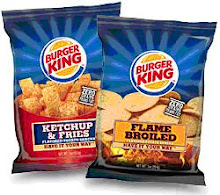
That's the claim of a lawsuit by the Washington-based Cancer Project. The shadowy group has filed a lawsuit in Hartford, CT claiming McDonald's, Burger King and others are peddling chicken that contains PhIP, and they want a warning on the products. While the group claims they aren't interested in stopping the sale of fast food chicken, the restaurant industry is claiming the lawsuit is part of the "animal rights movement" and its goal of ending the consumption of meat.

Their solution? Bring out their own flacks. The preposterously-named Center for Consumer Freedom (CCF) has issued its own press release charging this is all part of a "conspiracy." The Center is also Washington-based, and is funded by the restaurant, food manufacturing and supermarket industries.

Regular readers of this blog know I've talked about the hazards of meat. Americans especially eat too much meat, and the natural resources expended on meat production are a huge drain on the planet, as well as the cause of extra greenhouse gases from the methane in cow, pig and chicken scat, the fertilizer used to grow the corn that fattens up beef, or the gasoline burned up bringing the meat to market.

But is the answer a lawsuit to require restaurants to notify patrons that eating a grilled chicken (considered a "better for you" alternative to red meat!) is a toxic threat? Cooking meat releases chemicals that can be carcinogenic, though medical researchers aren't entirely sure in what amounts they constitute a threat. The current controversy about cooking potatoes at high heat (which produces a potentially-carcinogenic chemical called Acrylamide) is another example.

The animal rights and vegan groups would have us only eat plants. Is that a better alternative? Maybe. But shouldn't that be my choice?

Excerpted from BSLG's weekly subscription news reader service Food Business News. To subscribe or for information about licensing, contact Broad Street Licensing Group (tel. 973-655-0598)

Wednesday, November 4, 2009

Health News


• Regular readers of our Food Business Newsletter know that bisphenol-A (BPA) has been under fire over concern about the chemical leaching into foods in the containers lined with films or made from the plastic hardener. Now Minnesota has become the first US state to ban the use of the controversial substance in baby bottles. Look for action from Connecticut and California to follow. Now Consumers Union (the publishers of Consumer Reports) has found BPA in a cross-section of canned goods in levels that are disturbing for small children.

• A new study from Duke University Medical Center in North Carolina of 5,888 men and women older than 65 has found that women are more-likely to suffer from obesity and arthritis than men. The gap between the two genders in these areas can be as much as 45%. Not surprisingly given the problems of osteoporosis, women are much more likely to have bone fractures. Additionally they are more prone to vision problems and bronchitis, while men have more emphysema, heart disease, congestive heart failure, stroke, diabetes and hearing loss. Most surprisingly, they were more likely have problems walking because of constrictions in the arteries of their legs.

• A study of over 452K adults from the European Prospective Investigation into Cancer and Nutrition (EPIC) has shown those who ate the highest amounts of fruits and vegetables had a 14% reduction in rates of colorectal cancer, along with a 24% reduction in the risk of colon cancer.

• While there is some skepticism about the value of probiotics, a Finnish study has uncovered some cosmetic advantage for pregnant moms: women who were given probiotics and dietary counseling during their pregnancies were less likely to be obese afterward than those who were given counseling alone.

• The craze for antioxidants may be turning out to be another wild goose chase: new research is showing they undermine the healing process in muscles after exercise, reducing the benefits.

• With most women believing they already dash through life, there’s new evidence they need to DASH as well: “The Dietary Approaches to Stop Hypertension” (DASH) diet is known to lower blood pressure may also help prevent heart attacks in women by reducing blood pressure and lowering low-density lipoprotein (LDL, or "bad") cholesterol levels. A research team from Beth Israel Deaconess Medical Center in Boston analyzed data from 36,019 Swedish women aged 48-83, and found during a seven-year monitoring program that the 25% with the highest DASH diet scores had a 37% lower rate of heart failure than the 25% with the lowest DASH diet scores. Those within the top 10% of DASH scores had a heart failure rate half that of the women with lowest DASH scores. The diet includes a high intake of fruits, vegetables, low-fat dairy products and whole grains with only moderately high protein consumption, with low total fat and saturated fat. Scientists speculate the lower levels of LDL cholesterol, the estrogen-like benefits of some of the nutrients, and less oxygen-related cell damage are behind the diet’s benefits.

• India is a market getting more attention than just for its call centers. Retail chain Reliance Retail’s Fresh stores are lowering prices to strengthen their “value” positioning to compete better with the local mom & pop grocers. The company may be cutting back on some perks associated with big stores, though the chain denies it will be retracting services. Reliance Retail tried the club store format under the brand name Ranger Farms without noticeable success. Value positioning requires a sophisticated supply chain, something Reliance has over its smaller competition. Food is one of India’s fastest-growing retail segments (more than 25% growth annually), so the chain’s 900 stores (in 80 cities and 14 States) is looking to try different footprints and to stress its private label business.

• While still just a possible link, the notion that childhood obesity may be contributing to the rise in food allergies has been advanced by a recent study. Scientists call the evidence “tantalizing,” and theorize that inflammation from the stress of obesity may be the contributing factor. If this line of study yields more evidence to support this theory, pressure on the QSR and food manufacturing sectors will likely grow more intense.

Excerpted from BSLG's weekly subscription news reader service Food Business News. To subscribe or for information about licensing, contact Broad Street Licensing Group (tel. 973-655-0598)